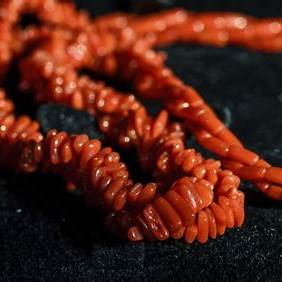
Red Coral in Alghero: History and Where to Buy the Authentic One
In Alghero, red coral is not just a souvenir. It is part of the city’s maritime history, civic identity and craft tradition. Before buying it, you need to know what you are actually looking at.
Key point
The safest approach is to visit the Coral Museum first, distinguish Corallium rubrum from treated or imitation materials, ask for written product details and verify the Corallium Rubrum Quality Mark before purchasing.
Why Alghero is linked to red coral
The connection between Alghero and red coral is historical, not decorative. The city is known as part of the Coral Riviera because Corallium rubrum shaped its maritime economy, commercial reputation and urban identity. The theme still appears in civic symbols, workshops, museums and local storytelling.
For guests staying at Aigua B&B, the practical advantage is proximity: the old town, workshops and Coral Museum are reachable on foot. This turns coral into part of a cultural itinerary rather than a rushed purchase.
What Corallium rubrum means
Corallium rubrum is the scientific name of Mediterranean red coral. The term matters because not everything sold as “red coral” is necessarily authentic Mediterranean coral. Other coral species, dyed materials, reconstructed products, synthetic materials and glass or resin imitations can look convincing to an untrained eye.
The operational rule is simple: a reliable product should be described clearly. The seller should explain material, origin, workmanship, possible treatments and available documentation. Without those details, the purchase is weak.
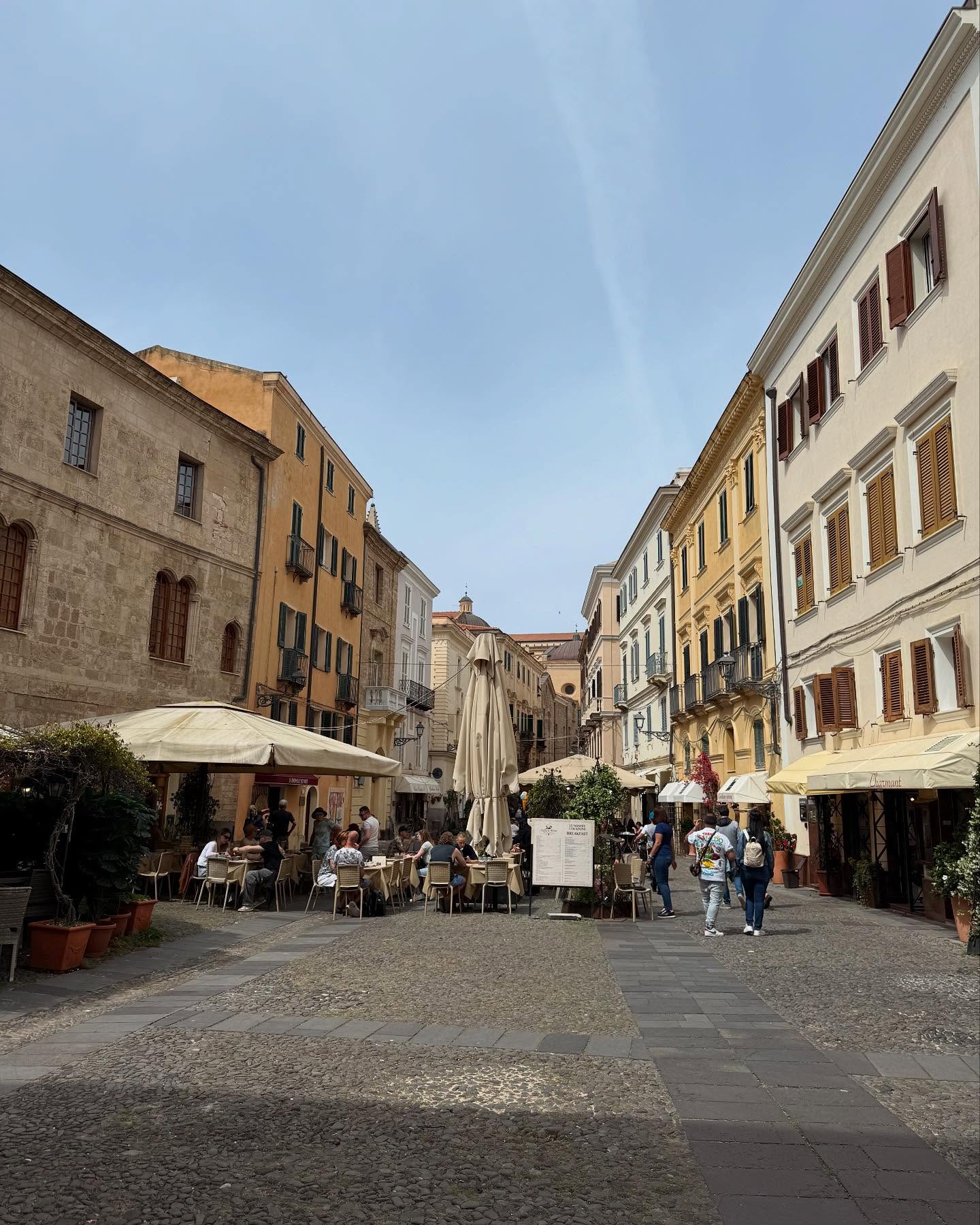
The Coral Museum of Alghero
Before buying, consider visiting the Coral Museum of Alghero. The museum explains the city’s identity and its relationship with the “red gold” of the Mediterranean through history, biology, fishing and craftwork.
This visit gives you a better filter. Once you have seen the tools, pieces and historical context, it becomes easier to distinguish a serious explanation from generic sales language.
The Corallium Rubrum Quality Mark
The Corallium Rubrum Quality Mark was established by the Municipality of Alghero to identify craft and retail businesses that make or sell objects produced with genuine Mediterranean coral and accept quality controls.
The mark is useful, but it is not a reason to stop checking. Ask whether the shop is currently licensed, whether the licence is up to date and whether the specific item comes with written information. The regulation of the mark includes a licence of use, licensee identification and registration in an official register held by the Municipality.
Critical buying note
Do not buy only because a window says “Alghero coral” or “authentic”. Ask for the exact material, written sales description and verifiable certification.
Questions to ask before buying
| Question | Why it matters |
|---|---|
| Is it Corallium rubrum? | This separates Mediterranean red coral from other materials or imitations. |
| Is it natural, treated, reconstructed or synthetic? | The category changes value, transparency and buying expectations. |
| What is the declared origin? | A reliable product should have an explainable and documented origin. |
| Is the workmanship local and artisanal? | The value depends on execution, not only on raw material. |
| Is the shop licensed under the mark? | This is a useful signal, but it must be checked with current documentation. |
| Does the receipt describe the material? | A generic receipt offers limited protection. The description should be explicit. |
Where to buy authentic coral in Alghero
It would be wrong to invent a fixed list of reliable shops. Licences can change, and the operative list should be checked close to the time of purchase. The prudent route is to consult the official pages for the Quality Mark, the Museum and the licensed workshops.
In general, prefer shops that clearly distinguish natural, treated, reconstructed and imitation products; issue a certificate or written product description; explain the workmanship; and do not rely only on urgency, price or suggestive wording.

Mistakes to avoid
- Buying on impulse because an item is red and looks like coral.
- Trusting vague words such as “local” or “authentic” without documents.
- Confusing souvenirs with craftwork.
- Judging only by price, whether high or low.
- Failing to distinguish natural, treated, reconstructed, synthetic and imitation materials.
- Leaving without a descriptive receipt.
FAQ
Why is Alghero associated with red coral?
Because red coral is a historical and symbolic resource for the city. It shaped maritime economy, craftwork, urban identity and the image of the Coral Riviera.
What is Corallium rubrum?
It is the scientific name of Mediterranean red coral. The term helps distinguish authentic material from other coral, treated products, reconstructed materials or imitations.
Does the Corallium Rubrum mark guarantee the purchase?
It is an important reference, but it does not replace checking the specific item. Ask for updated licensing, documentation and a written description.
Can authentic coral be recognised by eye?
Not reliably without experience. Documentation, certification, origin and technical explanation are safer than visual judgement.
Is the old town a good place to buy coral?
The old town is the natural place to find workshops and coral culture, but location alone does not certify authenticity.